
What are Asset Trackers?
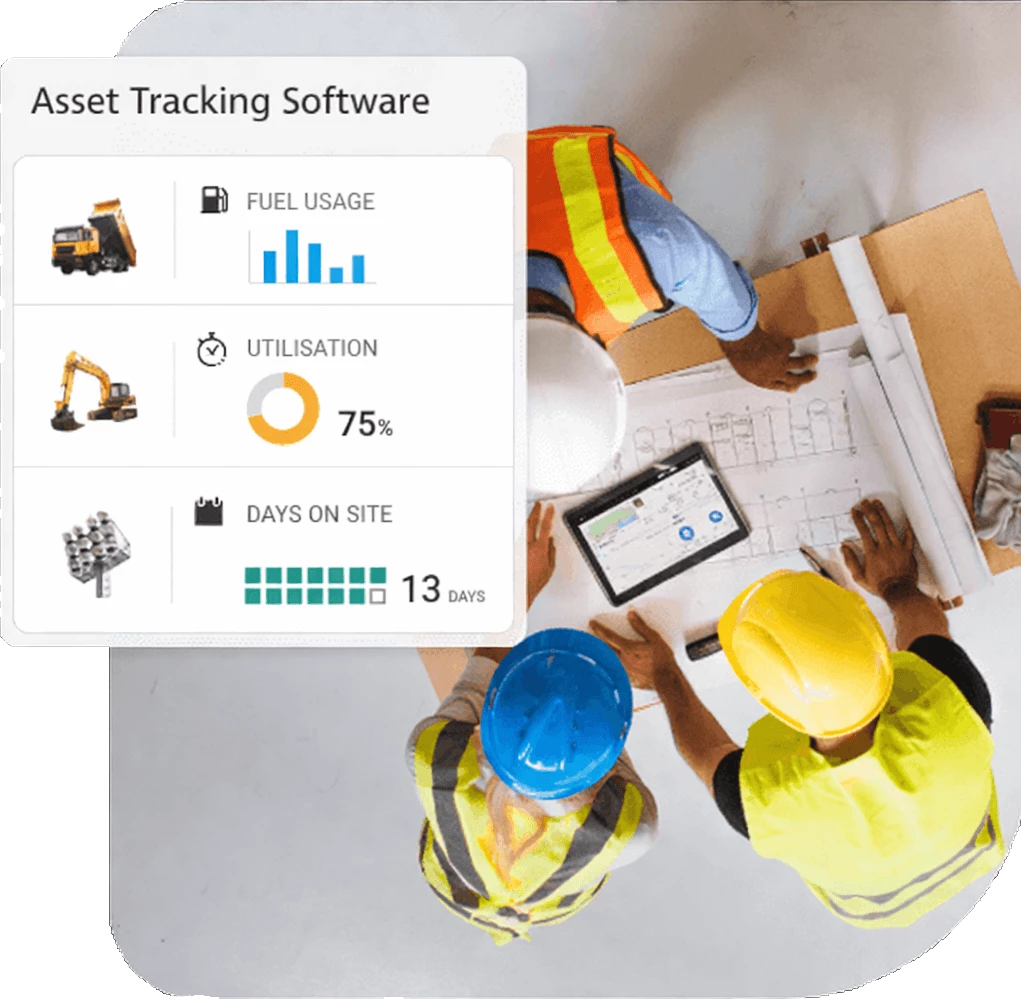
Asset tracking devices utilises GPS technology to provide timely and accurate location, usage and maintenance data about company assets. A GPS asset tracker can be installed on virtually any powered or non-powered equipment, and makes the data instantly available in a connected software platform. Companies use asset trackers to help them manage:
- On-road trucks & other vehicles
- Heavy construction equipment
- Small powered assets
- Non-powered assets
Compare Asset Trackers
The most flexible range of asset trackers to meet your needs
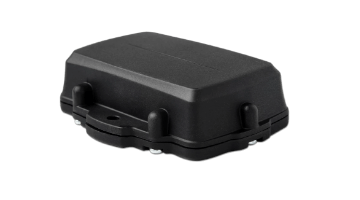
Asset Tracker - AT301
Ruggedised battery-powered GPS asset tracker for powered and non-powered assets.
- Compact device perfect for placing on assets of all sizes
- Long battery life that lasts up to 10 years
- Easy to self-install
- Future-proofed with dual 4G LTE-M1 and NB-IoT network
- IP68 rated
Physical Specifications
Size: 108mm Height, 86mm Width, 31mm Depth
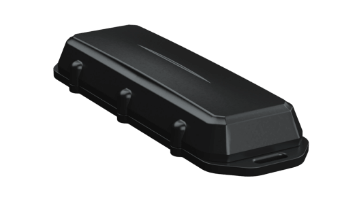
Asset Tracker - AT401
Battery-powered ruggedised GPS asset tracker for use inside and outside.
- Tracks both powered and non-powered assets
- Rugged housing to withstand harsh environments
- Extended battery life
- Easy to self-install
- Wi-Fi access point scanning for enhanced connectivity
- IP68 / IK07 rated
Physical Specifications
Size: 149mm Height, 51mm Width, 21mm Depth
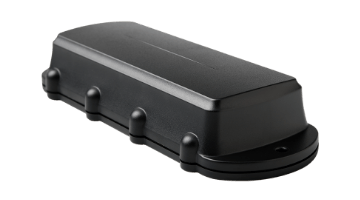
Asset Tracker - AT551
Ruggedised GPS-enabled telematics device with bluetooth functionality.
- Compact and rugged design
- Extended battery life for assets requiring high update frequency
- Tracks both powered and non-powered assets
- Easy to self-install
- Bluetooth 5.2 Gateway
- IP68 / IK07 rated
Physical Specifications
Size: 224mm Height, 91mm Width, 41mm Depth



What to Look for in an Asset Tracking Device
Asset tracking devices have several key features that give them the durability, connectivity and flexibility to meet the needs of your fleet. Making sure your devices suit the environments where your assets work, and that they capture the data you need, is the first step to finding the right platform for your business. These are the core features to look for in an asset tracker:
- GPS-enabled location tracking
- Customizable update rates
- Asset motion alerts
- Geofence capability
- Ruggedized housing
- Long battery life (and replaceable batteries)
- Recovery mode capability
Asset Tracking Software
Asset tracking software brings the data from your vehicles, powered assets and non-powered equipment into one solution. Our software platform works with a wide range of asset tracking devices, manufacturer installed telematics and mobile applications, to provide the visibility that simplifies complex operations. Through easy to use dashboards, detailed reporting and interactive mapping you can access the critical data you need at any time. Key software features include:
- Geofencing and site reporting
- Performance dashboards
- Utilisation reporting (by site)
- Event reporting and alerts
- Proximity search and reporting
- Maintenance workflows
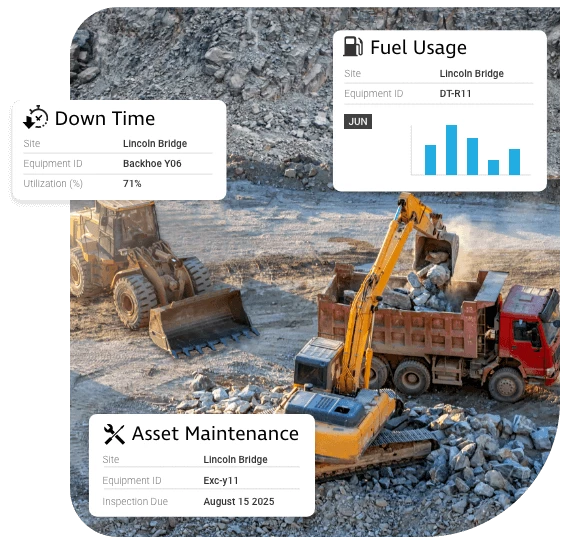
Software Features
The things to look for when evaluating asset tracking platforms




Choosing the right asset tracker
The type of asset you want to track and the update frequency that you require will determine the type of tracking device you need. Here is an overview of the different type assets and the most compatible asset tracker.
- Heavy equipment: Choose a ruggedised, IP67-rated, hard-wired asset tracker that has the capability to capture detailed engine data including engine hours, idle time and fuel use.
- Heavy vehicles: Choose a device that is hardwired into the vehicle to ensure data reliability for compliance and safety reporting. The device should be able to collect both engine diagnostics and driver behaviour data.
- Light vehicles: Select a self-install device that captures driver behaviour data and detailed usage analytics to monitor unauthorised use and driver safety.
- Trailers: Choose a battery powered asset tracker that has extended battery life to support high update frequencies when the trailer is in motion.
- Small assets: Choose a ruggedised battery powered asset tracker that provides location and movement data so you always know where your assets are and when they move.
Asset Tracking Frequently Asked Questions
We have the answers to the most common questions about asset trackers
Maintenance planning digitises your entire maintenance program, triggering maintenance events via engine diagnostics, engine hours, or manufacturer-set schedules. The system can also track costs and provide insights into where maintenance budgets are being spent. When combined with a full GPS asset tracking platform, this data can be used to educate operators and equipment managers on better upkeep.
Each piece of equipment must have its own GPS tracking device or QR code. The best devices offer customisable update rates, and have extensive connectivity via GPS, CAN bus, and general-purpose input/output (GPIO).
Additionally, solutions that offer hardwired, battery, and solar power options make it easy to integrate diverse types of equipment.
Managing inspections is a key feature of a GPS asset tracking system. By digitising pre- and post-use inspections, equipment managers can gain better insights into equipment use and upkeep. Spot maintenance issues quickly and act on them before they become large, more expensive problems. Drivers and operators can submit inspection reports digitally, reducing the time and paperwork needed to maintain your fleet.
Our asset tracking software has hundreds of pre-built reporting options and the ability to create custom reports. Prepopulated reports can show location, engine diagnostics, misuse, and more. Reports can also be automated to send to key stakeholders at the desired time.