
Insights, analytics and data-driven fleet management in the 21st Century
When it comes to fleet safety, knowing that an event happened is only part of the picture. Understanding why it happened is what allows fleets to take meaningful action.
Telematics data can flag speeding, harsh braking and other driving events. Getting an alert might make you aware that an event has occurred, but it can’t tell you whether a driver reacted to a hazard or contributed to the risk. While you might find out this information upon the driver’s return, without that almost real-time context, it can be difficult to decide what needs coaching, what decisions need to be made and difficult for drivers to feel that feedback is fair.
Video telematics helps close that gap. By bringing dashcam footage and vehicle data together, it gives a clearer view of events on the road and a stronger foundation for conversations about safety.
Better context leads to better conversations
The value of video telematics is not simply in recording driving events. It is in helping managers turn those events into useful coaching opportunities. Consider a harsh braking alert. Data might show that the driver was following too closely but footage showed that the road user pulled out unexpectedly. Each of these situations might call for a different response.
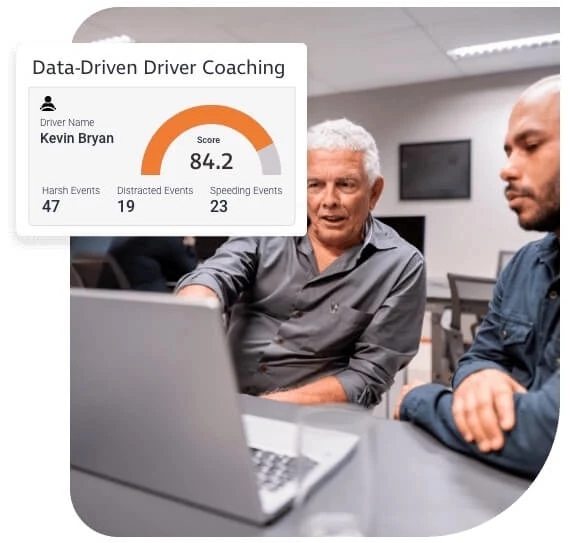
With the event data and video in front you, you can discuss what happened with the driver when it comes to recognise an appropriate response or identify a behaviour to work on. In the moment, you get the context that it’s not the driver’s fault, and no emergency intervention needs to be taken.
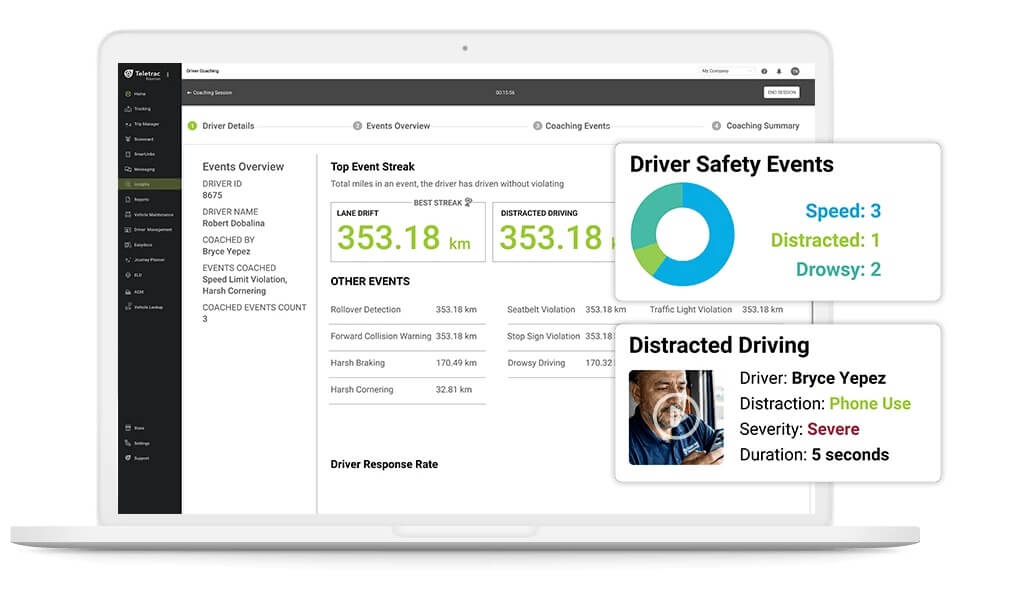
This makes feedback more specific than a score or alert on its own and gives drivers the chance to see the event, share their perspective and understand what they can do differently next time. Over time, scorecards and event trends can help fleets identify recurring risks and tailor coaching to the people who need it.
The way that coaching is delivered matters, too. In Teletrac Navman’s 2026 Driver Coaching Edition of Mobilizing the Future of Fleets, 68%* of drivers who received a high-touch combination of one-to-one explanations and video or written guidance said they felt exceptionally well-prepared.
Building trust through objective evidence
For coaching to work, drivers need to understand how information about their driving is used. A video telematics solution shouldn’t feel like an exercise in catching people out. Its purpose is to support safer decisions, provide fair feedback and protect drivers when the evidence shows they acted appropriately.
That distinction matters when reviewing a collision, near miss or complaint. Footage paired with telematics data can help clarify what happened, rather than leaving managers and drivers to rely only on conflicting accounts. It can support accountability where behaviour needs to improve, while also providing evidence when a driver was not at fault.
Clear expectations from the outset can help build that trust. In the same driver coaching report, 74%* of drivers who felt properly onboarded viewed coaching and feedback as highly effective, compared with 19%* of those who felt their initial preparation was lacking. And 33%* named fair and supportive management as a top factor encouraging them to stay with their fleet.
The lesson is that technology and culture need to work together. Explain what is recorded, how events are reviewed and how insights will be used to support drivers. Objective evidence is most valuable when it leads to a fair, constructive conversation.
Helping drivers respond in the moment
Some risks cannot wait until the next coaching session. In-cab alerts can give drivers an opportunity to respond as a situation develops, while recorded events provide managers with information for a follow-up conversation.
Road-facing safety features can help identify risks such as close following or lane-related events. Driver monitoring can help detect signs of distraction or drowsiness. This is further augmented with new driver feedback technology. Note, these prompts do not replace a driver’s judgement or a manager’s coaching; they add another opportunity to address risk before it becomes an incident.
The report found that 56%* of drivers receiving real-time in-cab coaching said they rarely experienced a near miss, compared with 47%* of drivers without real-time alerts. Alongside timely feedback, event histories and driver scores can help managers spot patterns amongst metrics that matter the most, helping measure progress and recognise safer habits.
The technology behind more proactive coaching
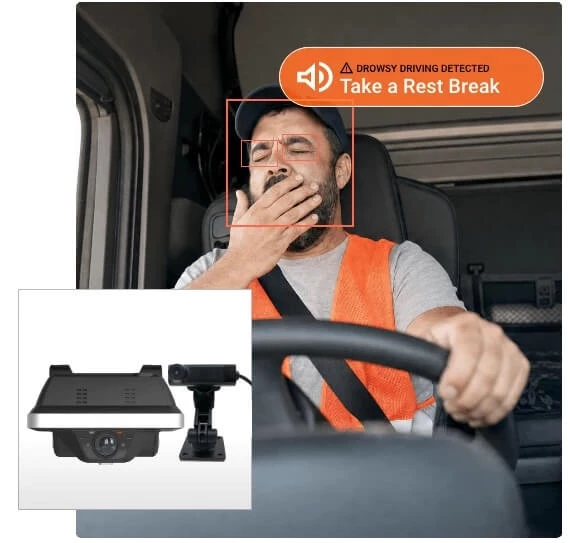
As a leader in the connected mobility space, the Smart Dashcam solution supports drivers by providing real-time support, while providing timely information to the back-office team. Its AI-enabled video and sensors help identify driving events, while the event dashboard brings footage, recorded events and driver scores together for review.
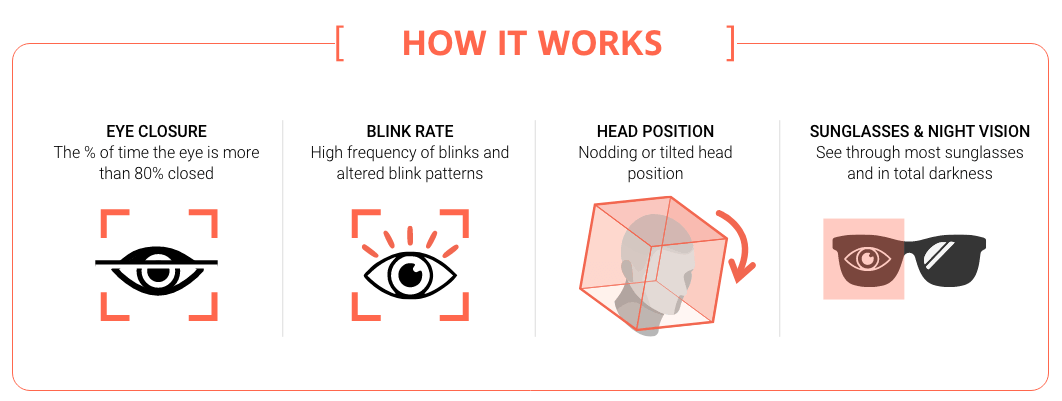
Paired with the Driver Monitoring Sensor (DMS), it can detect signs of drowsiness and microsleep using
indicators such as eye closure, blink rate and head position by tracking dynamic facial movementsWhen implemented with the haptic seat-shaker, it provides a vibration alert when a drowsiness or fatigue safety event is detected, adding a prompt where an audible alert may be difficult to hear. Together, these tools can help drivers respond in the moment and give managers clearer context for fair, targeted follow-up.
That combination of technology and tailored coaching can have benefits beyond an individual event. Simply Lunch, for example, used smart cameras and coaching technology to support bespoke driver training. Its experience shows how a focus on driver safety can sit alongside wider operational priorities, including insurance and maintenance.
What makes the DMS different
The Driver Monitoring Sensor (DMS) and the Haptic Module adds another layer of support by looking for early signs of drowsiness and microsleep that driving hours alone cannot reveal. Positioned to monitor the driver, it analyses eye closure, blink rate and head position, including in low light and through most sunglasses. When it detects a fatigue event, the system alerts the driver and sends a severity-based alert to the TN360 platform.
This gives the driver an opportunity to respond in the moment, while helping fleet managers identify where a check-in or targeted coaching may be needed. It’s an important distinction: the aim is not simply to record fatigue-related events, but to help fleets act on them sooner and support driver wellbeing.
From event review to lasting improvement
Video telematics does more than show fleets what happened on the road. Used thoughtfully, it helps operations understand the circumstances behind an event, support drivers with timely feedback and coach with greater fairness.
That can strengthen safety culture while also supporting more efficient operations: safer driving habits may help reduce avoidable fuel use, vehicle wear and disruption. Most importantly, it moves fleets beyond reviewing incidents after the fact towards helping drivers build safer habits over time.
Ready to explore what video-supported coaching could look like for your fleet? Get a demo.
* Statistics sourced from Teletrac Navman’s Mobilizing the Future of Fleets: 2026 Driver Coaching Edition.